Monday, October 09, 2006

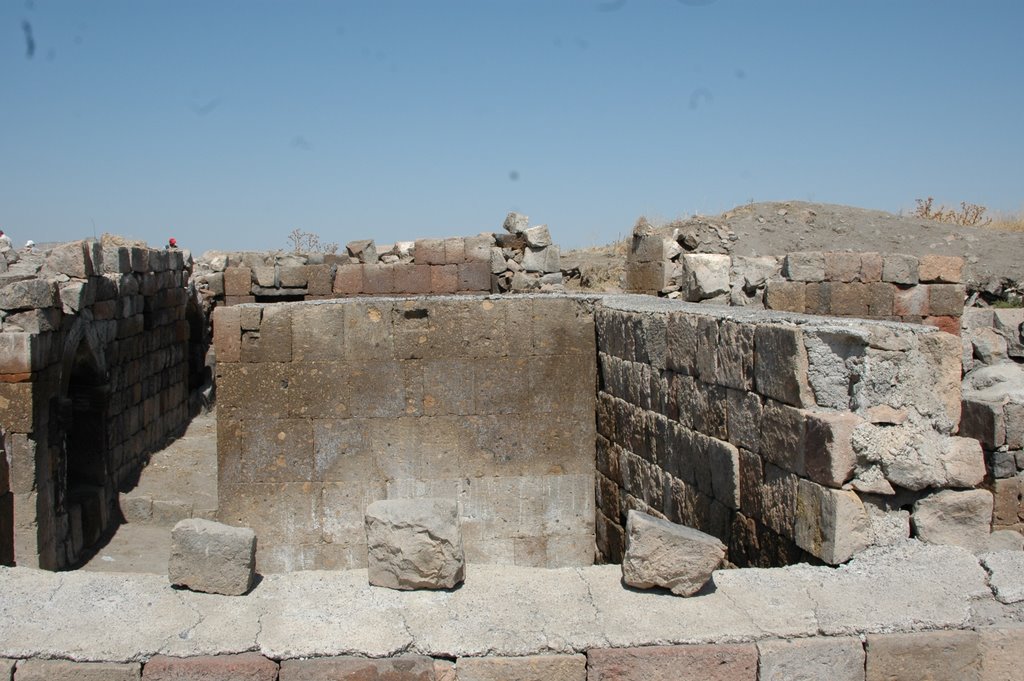
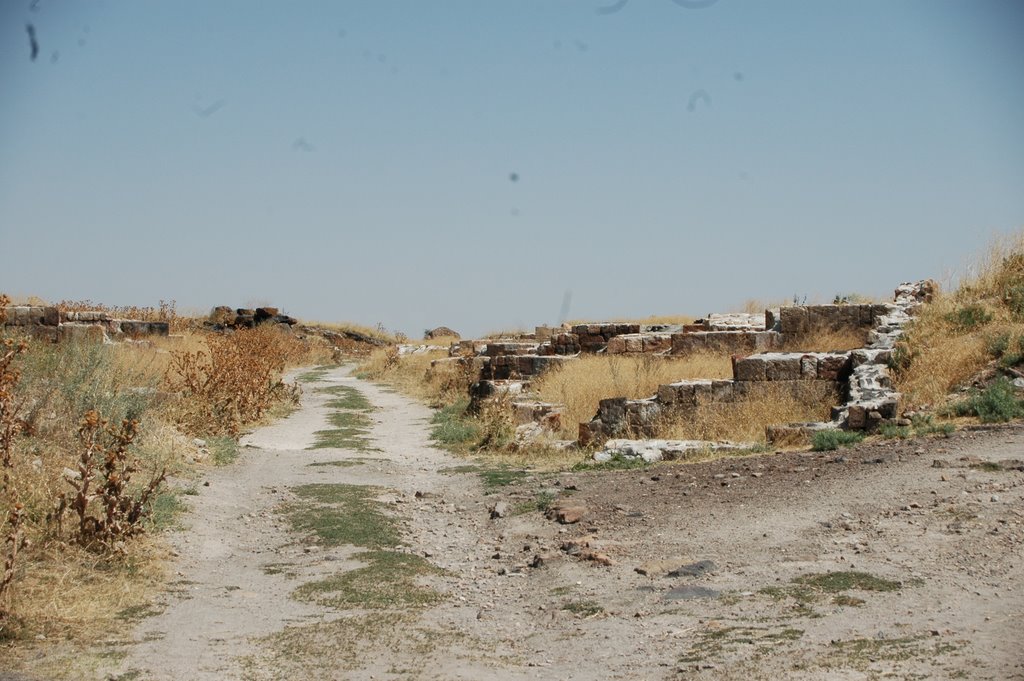
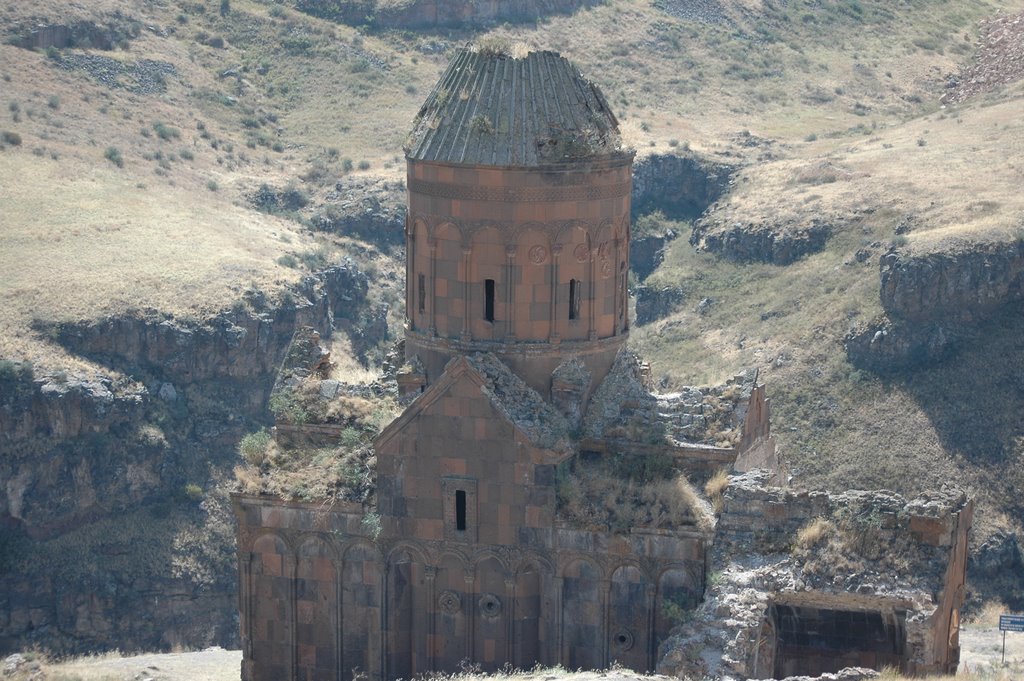
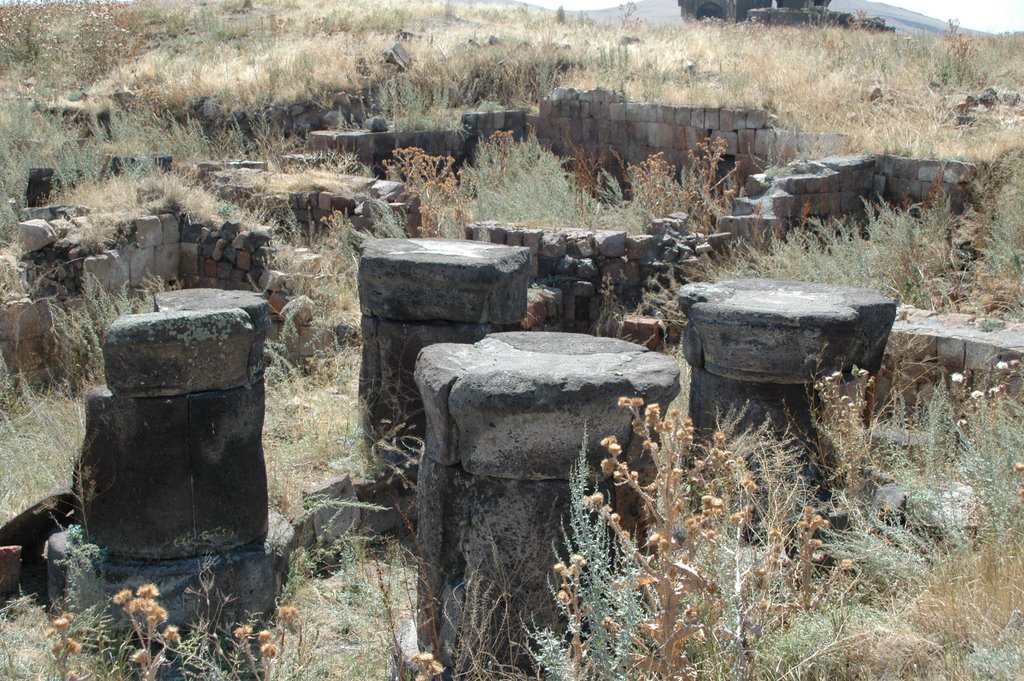
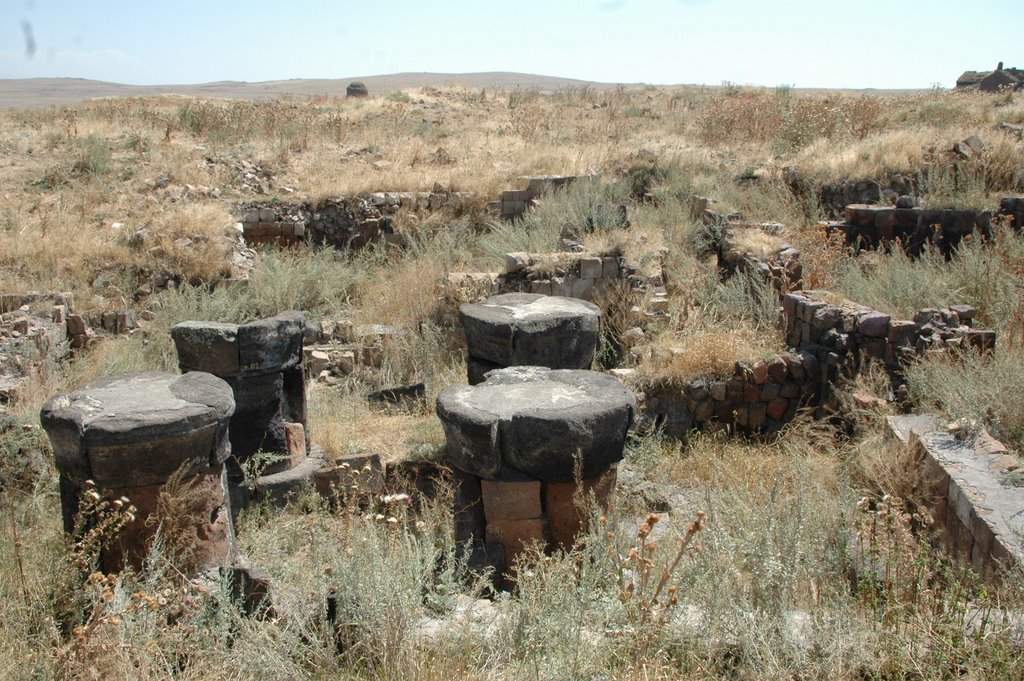
Shopping arcade

Around the mosque was actually the only area of Ani that felt like a ruined city, where there were traces of proper buildings and streets, apart from the monumental religious ruins. Here, there was also, reportedly, an archaeological team at work - even if I didn't see them at it. It was said to be a street of shops, anyways, and I guess the foundations to be seen could indicate as much even to my untrained eyes.


Sunday, October 08, 2006

Decorations

Many of these picture reveal the harsh lighting conditions with sharp contrasts between outside bright sunlight and dark insides of ruins... more than anything else... but I still hope you can find some of the feeling.


I especially want to give attention to the geometrical ceiling decorations, in cassettes.


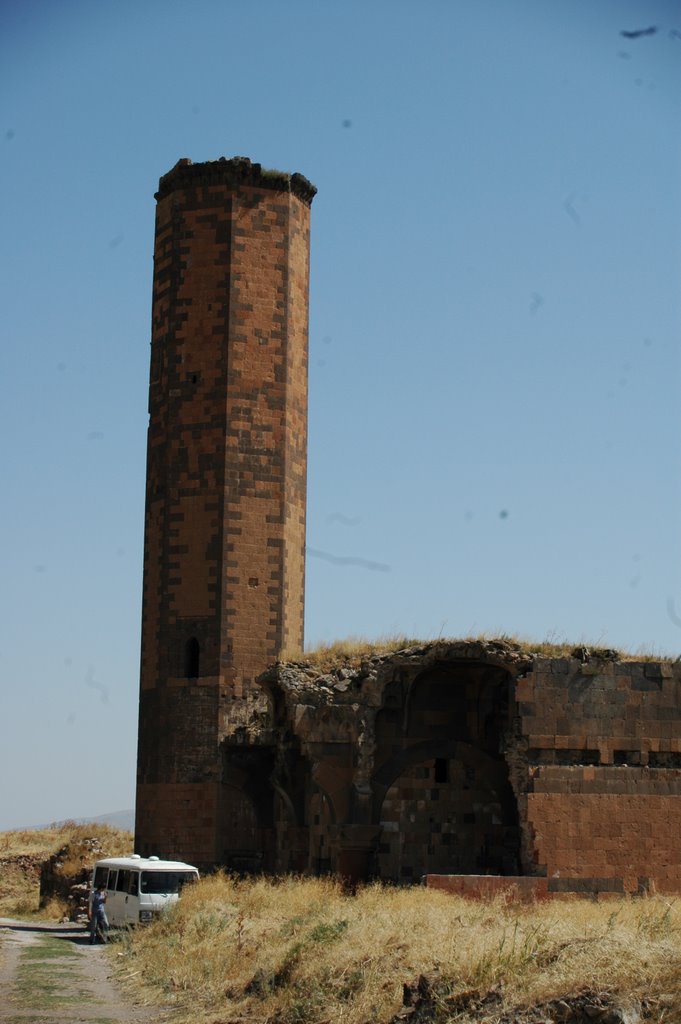
Manuchihr mosque

This again reveals some of the extent of which this area was at the crossroads of Russian/Turkish/Persian influence, with a very Persian-style name. This is supposed to be the oldest mosque on the territory of the Turkish republic, and is from the 11th century. It is claimed as Selcuk in style, but if that means more than being simply pre-Ottoman is not clear to me. The minaret was in bad shape and could not be climbed - but the squarish (? more like 6 sides) shape of it intrigued me.


It towers over the ravine with the border river.


The fortress further out was not accessible to visitors unfortunately...

Saturday, October 07, 2006

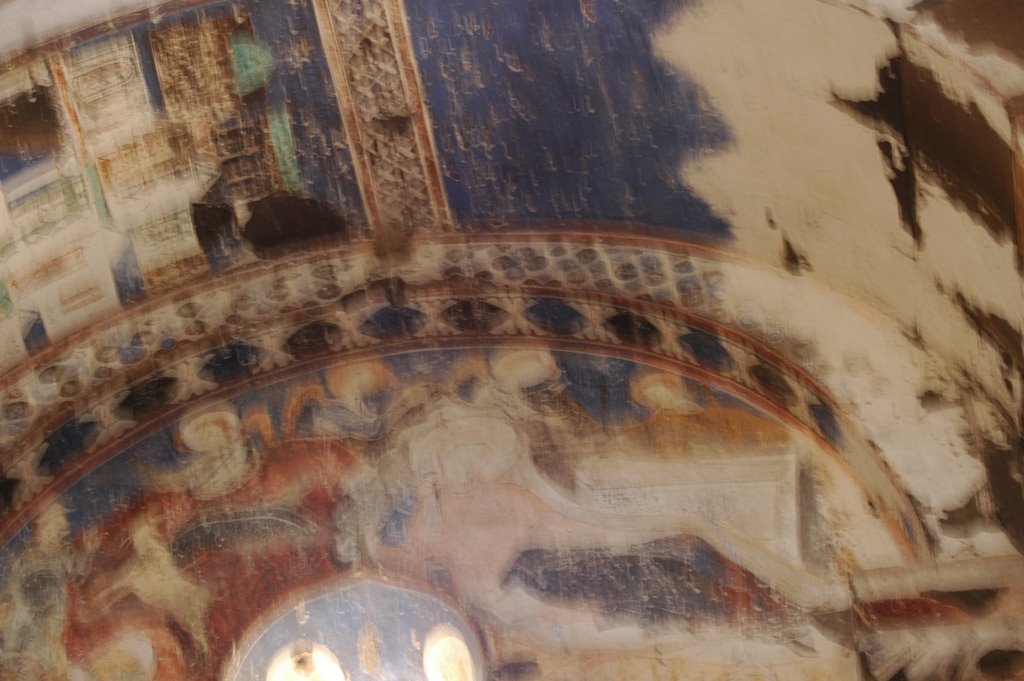
Cathedral interior

Some of the shots are dark, but maybe some of the elegant roomy feeling of the enormous inside is still conveyed. It almost had a proto-Gothic feeling, with high vaults and very high ceiling.


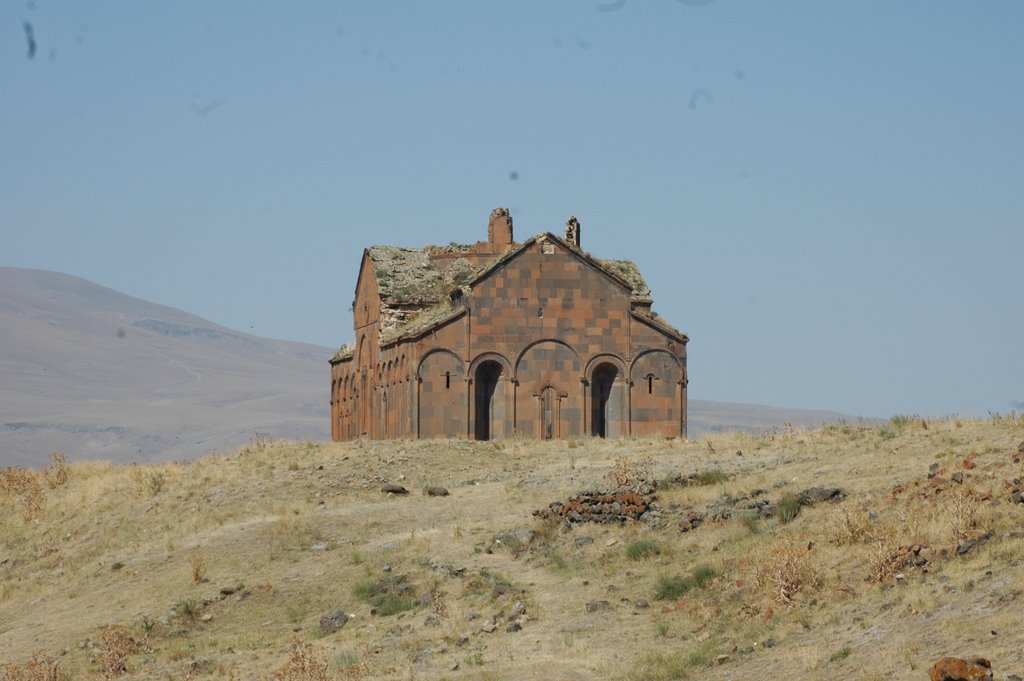
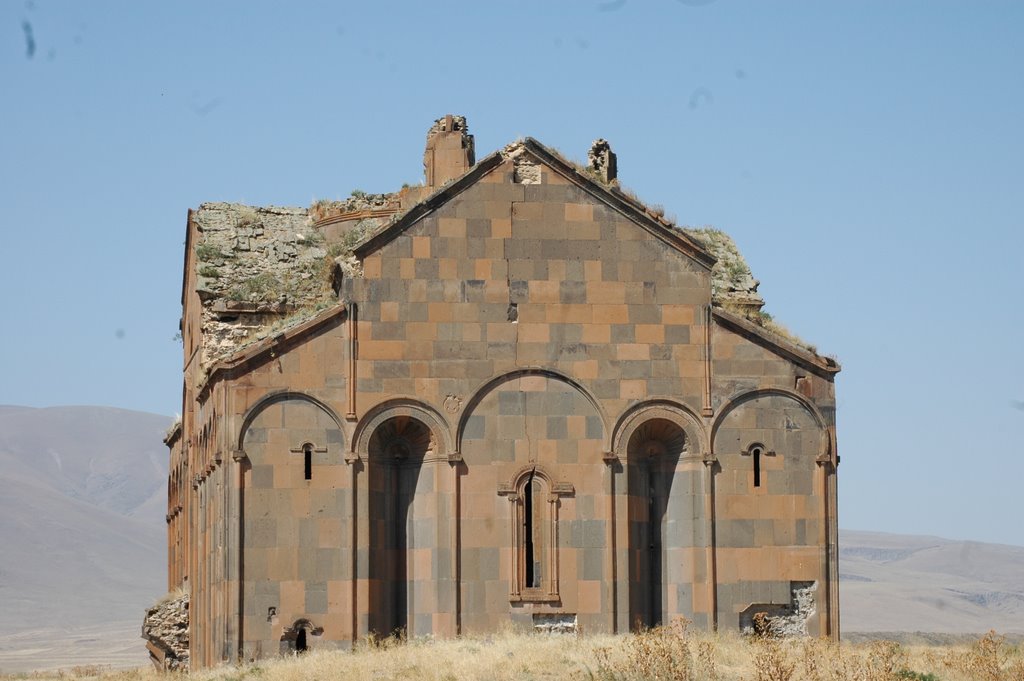
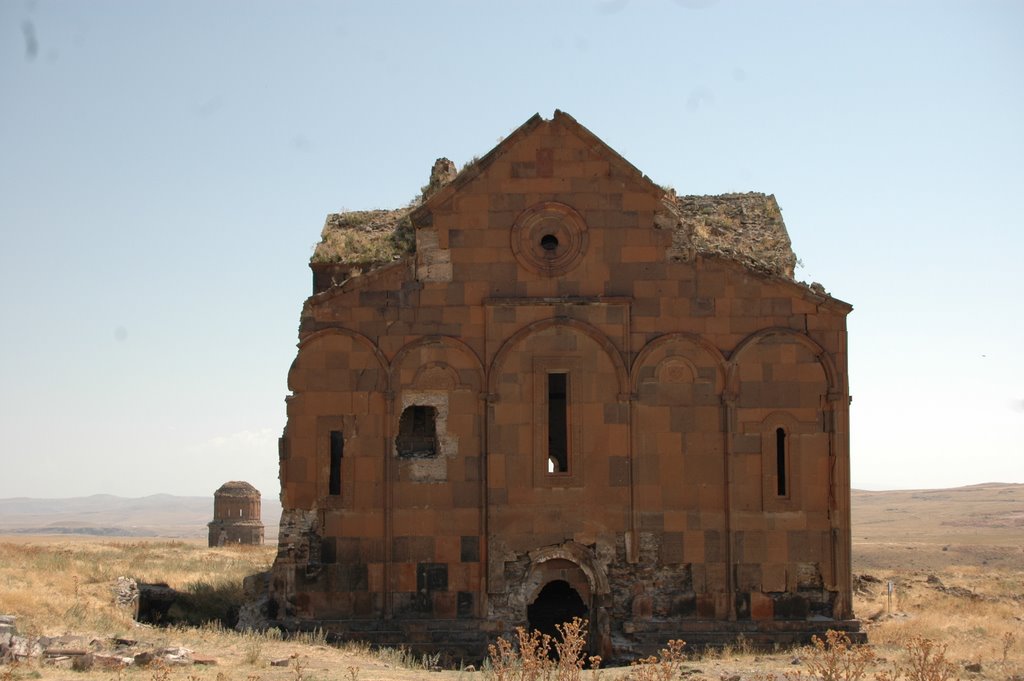
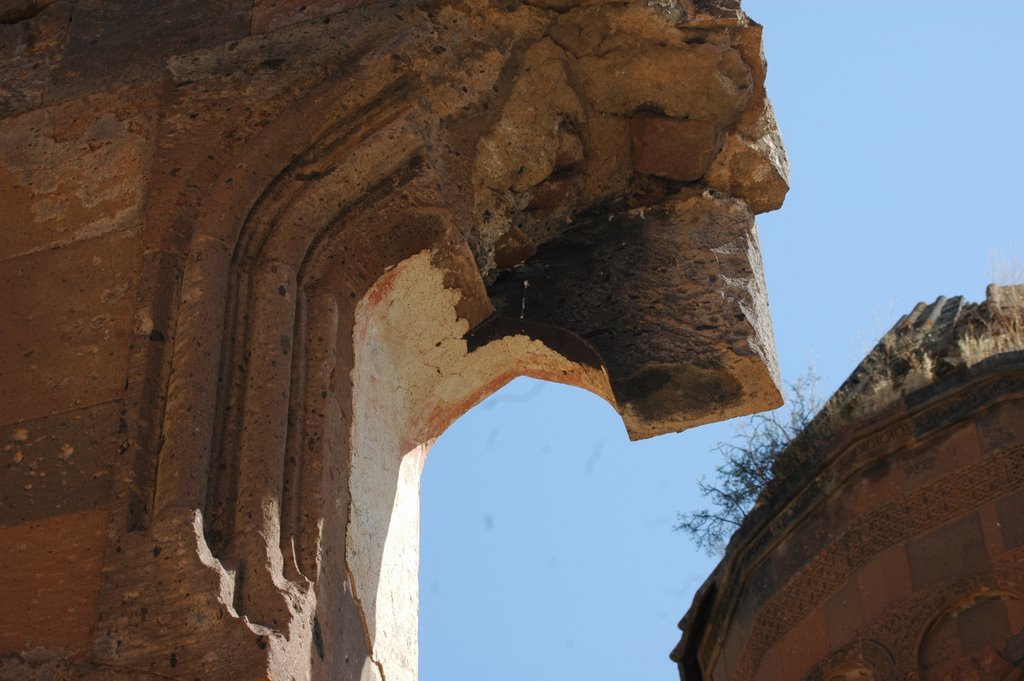
Ani cathedral

This was the great cathedral of Ani, still dominating the horizon by sheer size.


Tuesday, October 03, 2006

Carpet gallery - revisited

Well, I did think my next buy would be a Bakhtiari camel bag - and I was almost right. It's rather more Luri in style though - and it makes fascinating speculation to think of how that came about. Also, it has the unusual feature of a date woven in - 1372 - if that correctly reflects it's weaving date, it should be about 55 years old. I am very happy with it!

Sunday, September 24, 2006

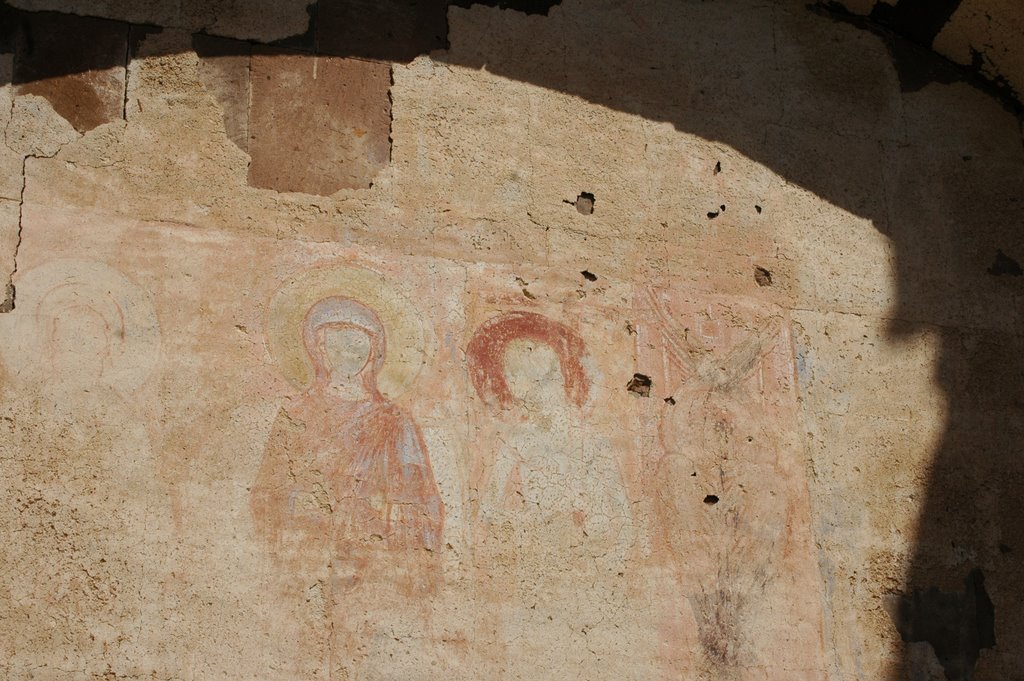
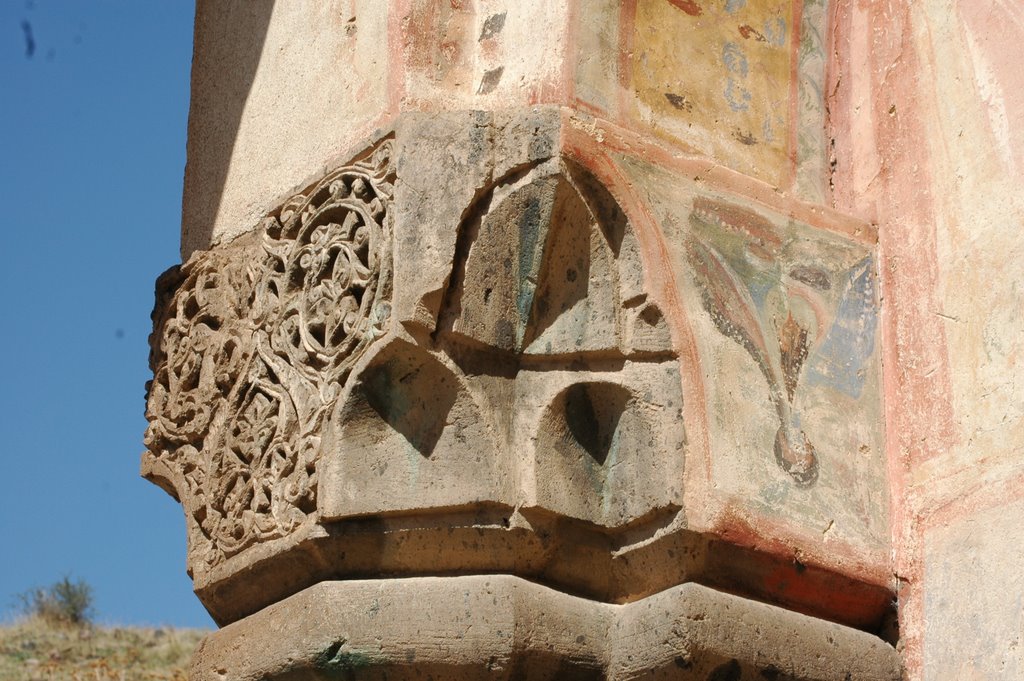
Frescoes and decorations

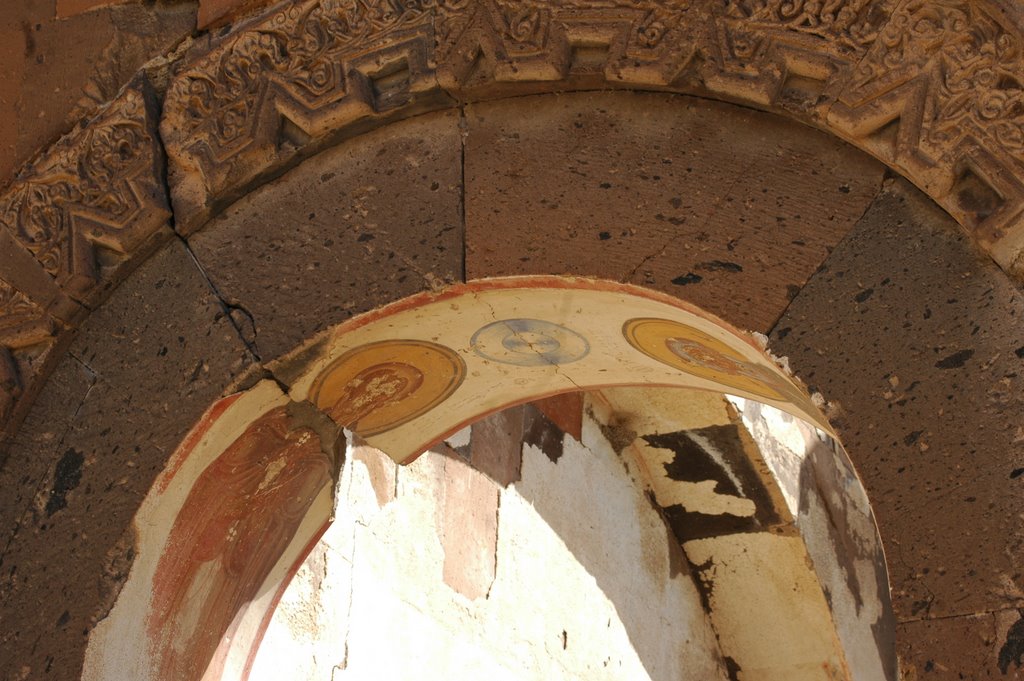
Some more details of this richly decorated church.


'

Saturday, September 23, 2006

Tigran Honents

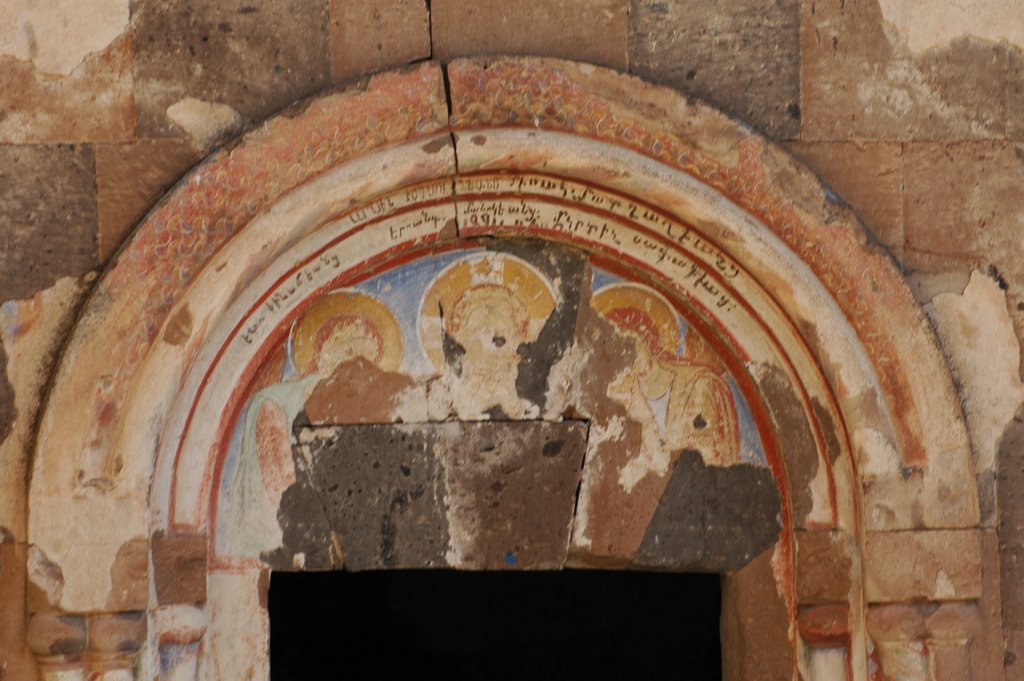
On the sharp slope down towards the border river, the richly decorated church of Tigran Honents (apparently a rich man who built the church) lies.


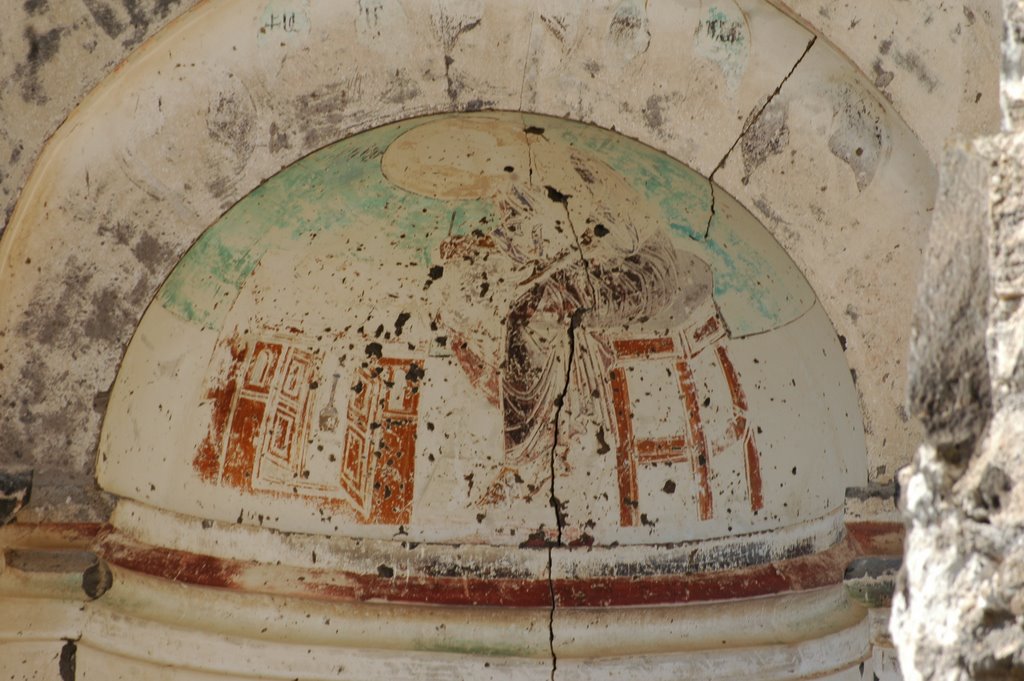
Some amazing frescoes can still be seen both outside and inside!


Friday, September 22, 2006

Assorted bits and pieces

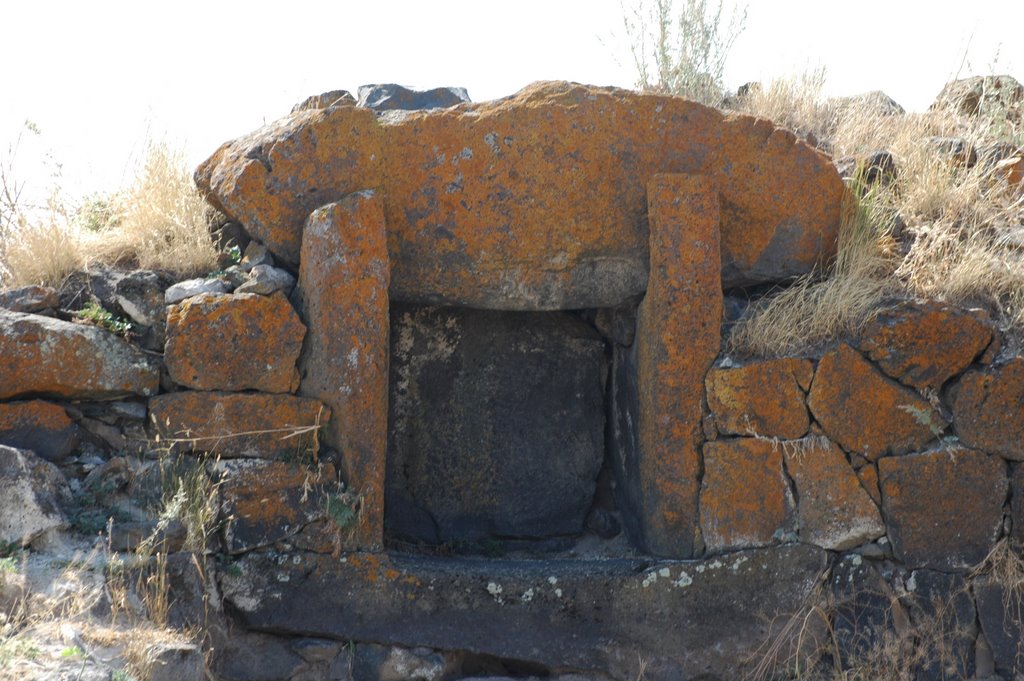
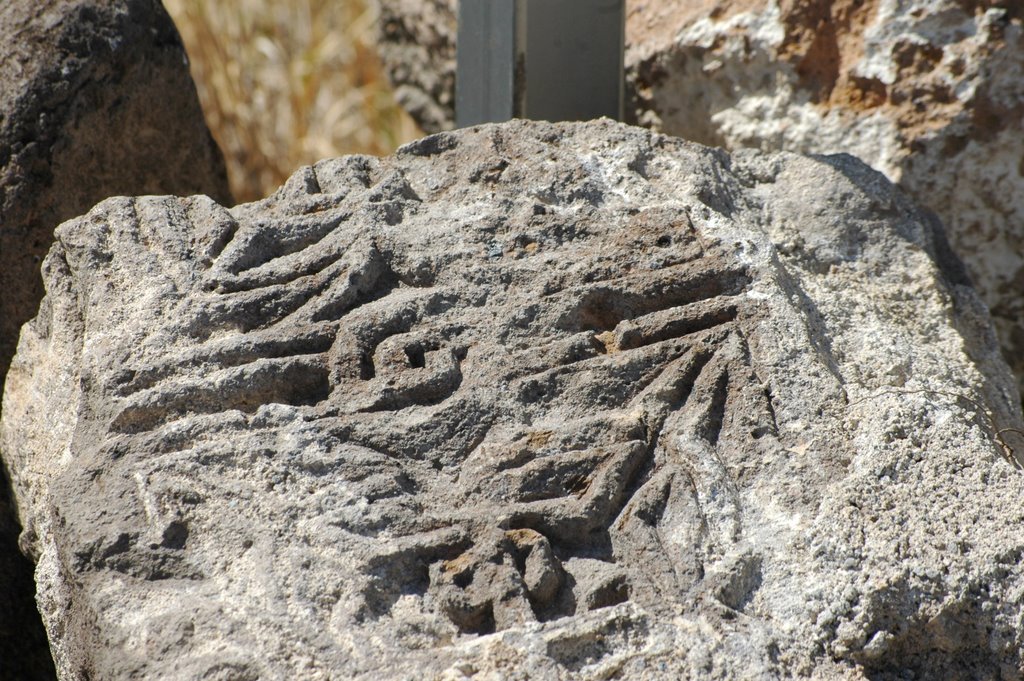
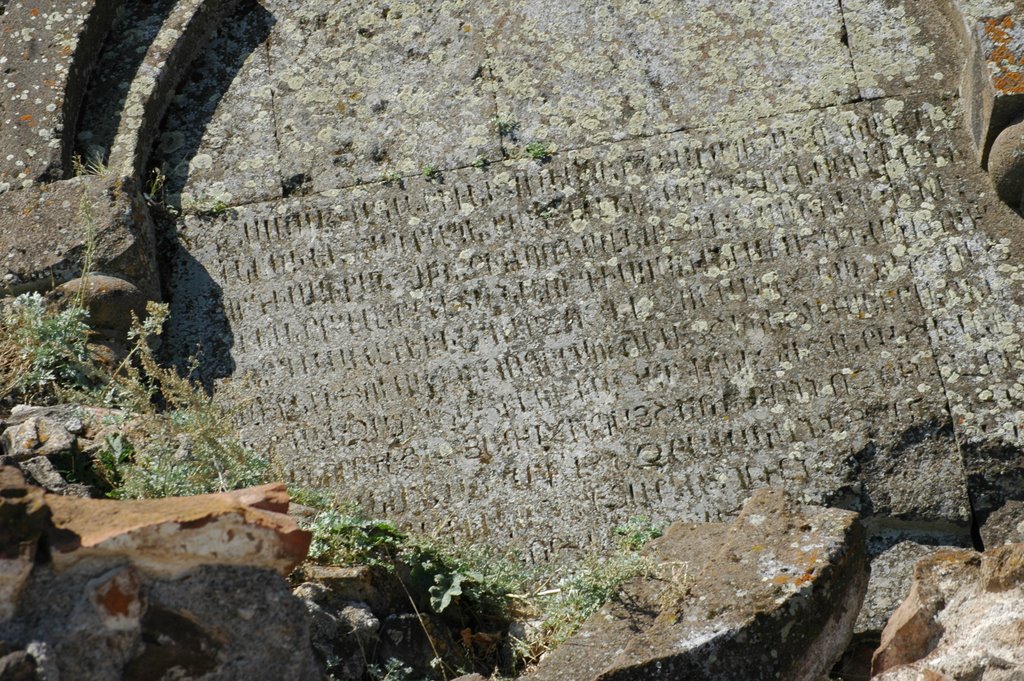
Here are some random shots of the site (otherwise I try to show pictures by building or by feature or somehow thematically - for clarity). Only, these don't really fit into such a scheme, but I still can't withhold them from you, so here goes!


The Church of the Redeemer

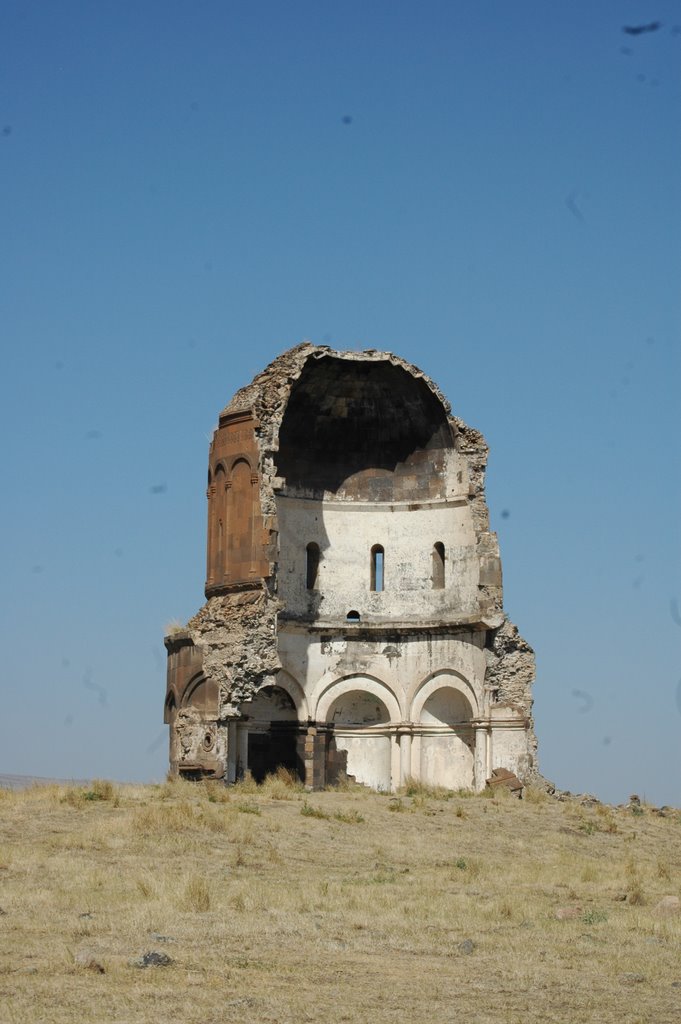
This ruined church finally fell when split in half by lightning during the 20th century. Before that it had stood for almost a thousand years. Isn't it odd, that?


The paintings are now very exposed to wind and rain, but you can still see some of the decorations.


Wednesday, September 20, 2006

Internet black holes

Just interrupting here to highlight the contents of a new link I've added to the righthand bar - Reporters without borders on Internet censorship. Read, learn and publish!

Revered fire

We tried to identify the remains of the Zoroastrian fire temple. Unfortunately, but perhaps hardly surprisingly, it is one of the least preserved houses of worship in Ani. We believe these were the ruins of the temple, but they weren't easily found.


Contrary to my romantic suppositions, it doesn't seem to have been fed by surface-oil wells, like the temple in Baku, either. Even if there is supposed to be oil exploration taking place in the Kars area...

Tuesday, September 19, 2006

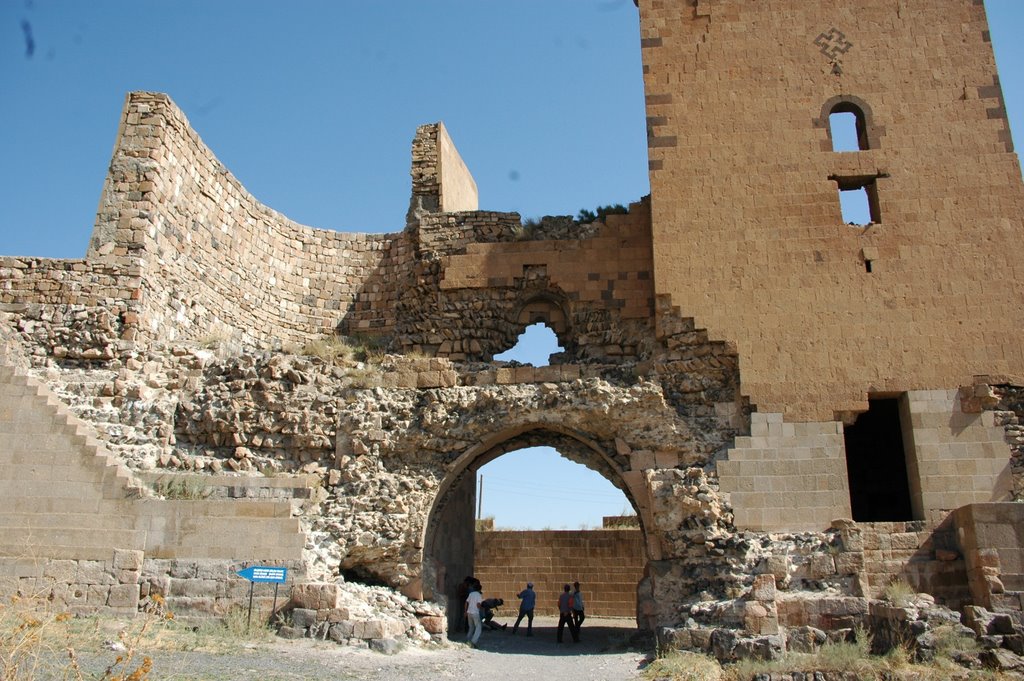
Inside Ani

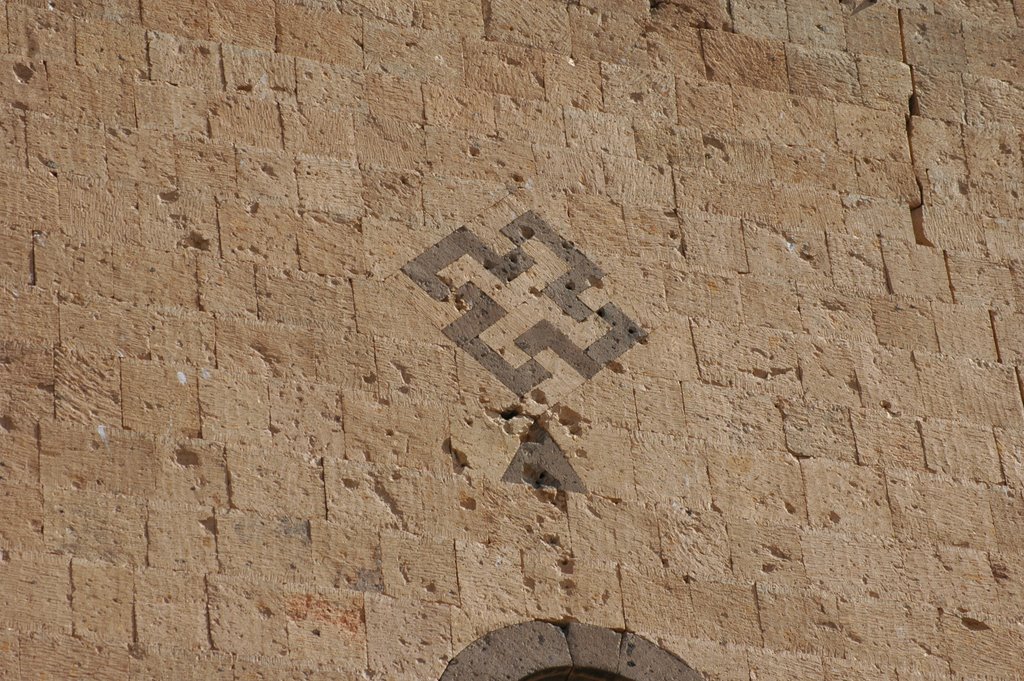
This is the Lion Gate we saw previously, now from the inside. The symbol depicted on the inside is deservedly disreputable today - but claimed to have an Indian origin, far from it's grim 20th century use. In the context of Ani (where the Silk Road came from the East and the Turkish, Persian and Russian spheres of influence met over the centuries, even if local rulers where often only nominal vassals of very varying degrees of loyalty to each of the empires in turn) it was said to be a Zoroastrian mark, the four arms representing the four revered elements of air, earth, water and fire.


Sunday, September 17, 2006

Bordering Armenia

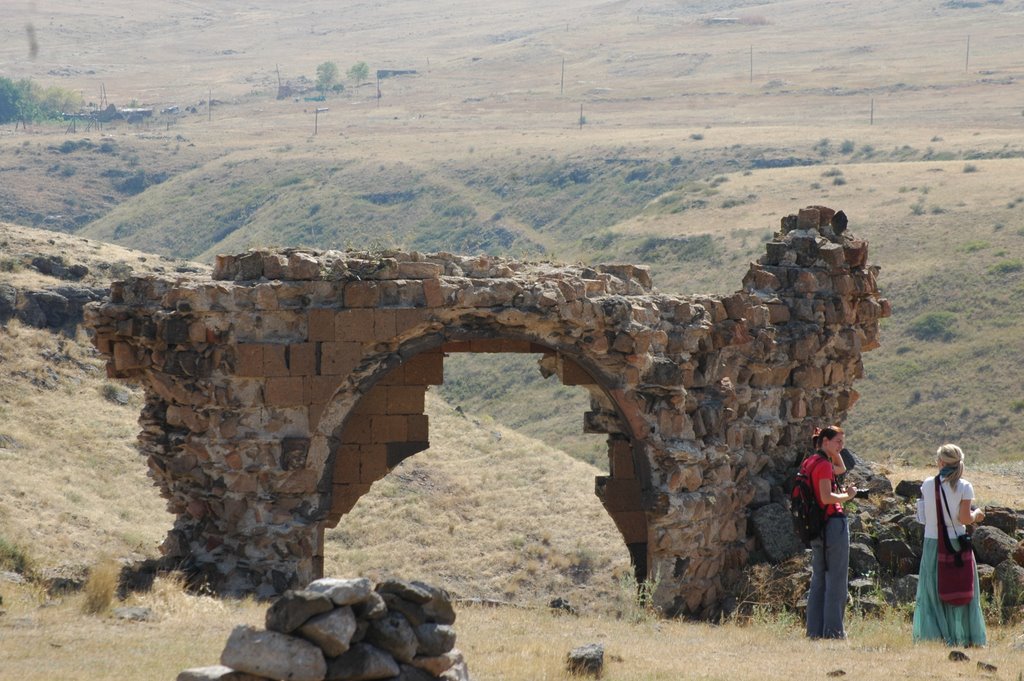
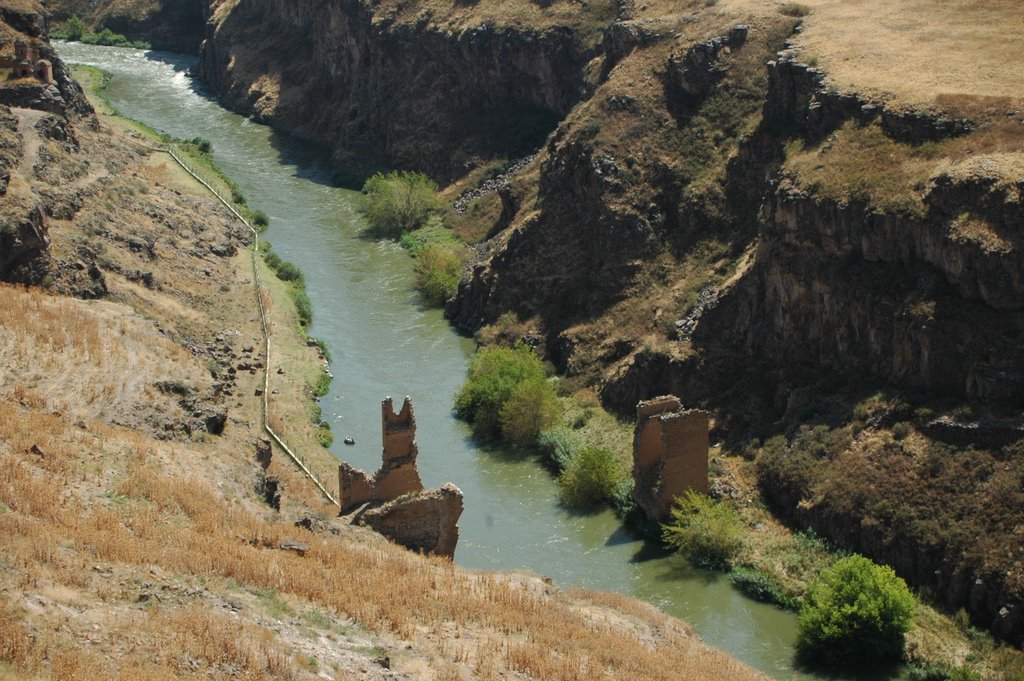
Yes, literally, this is the border river in a gorge beneath the site. You can make out the remains of a bridge also. The border is closed and only a few years ago, visiting Ani meant getting permission from local security authorities.
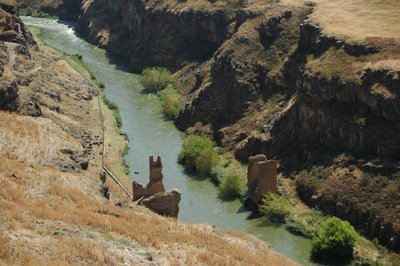


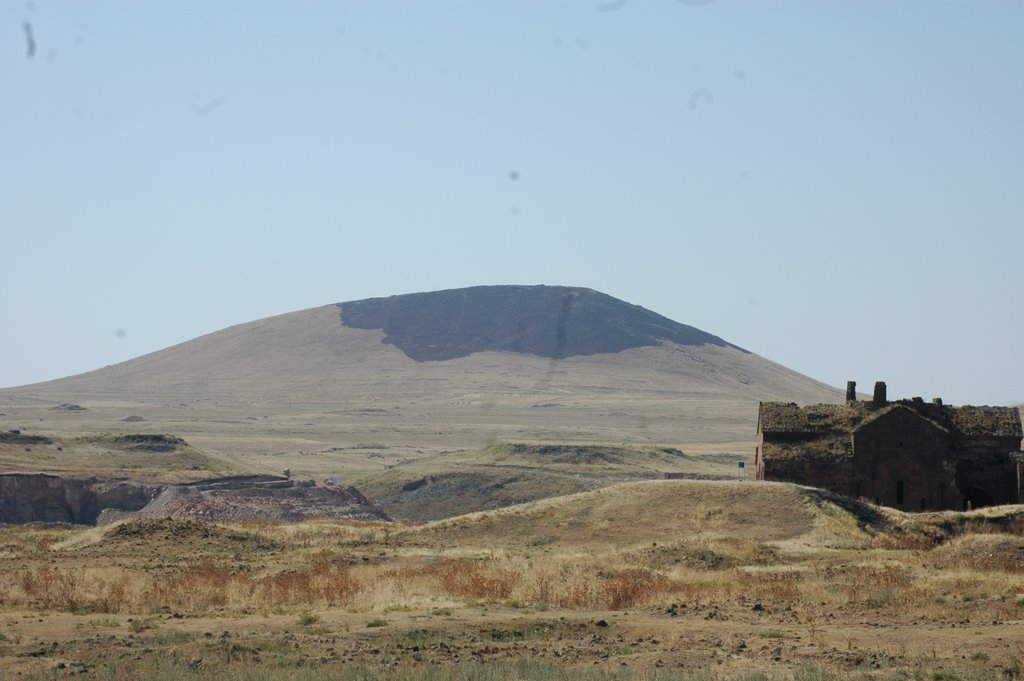
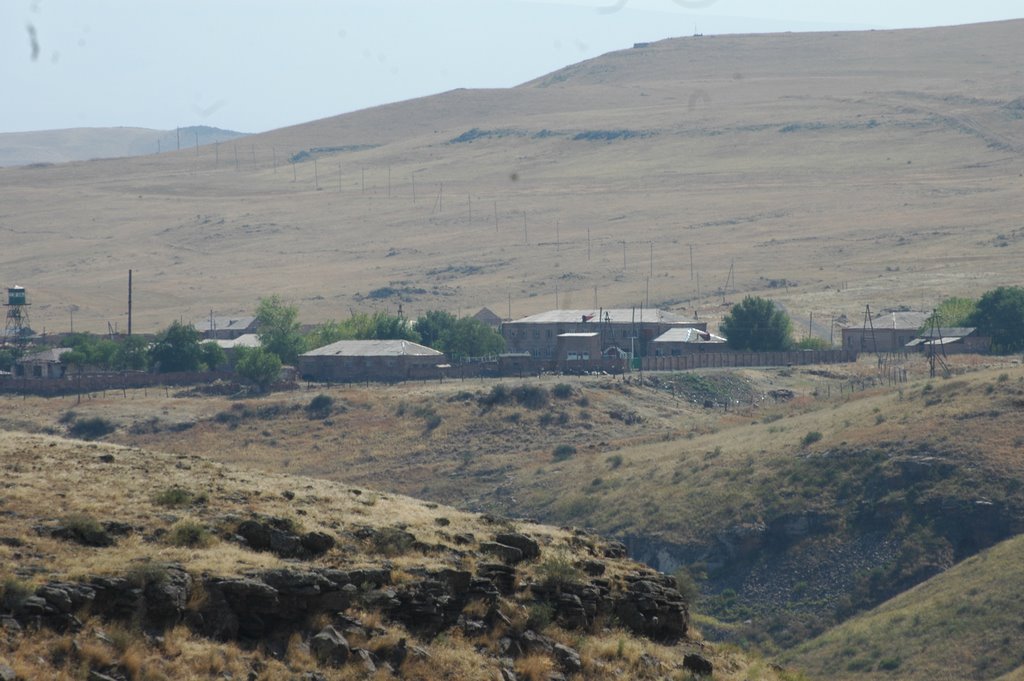
The next hill is Armenia! Returning to Kars after the visit, I had an Armenian phonenetwork for part of the time.
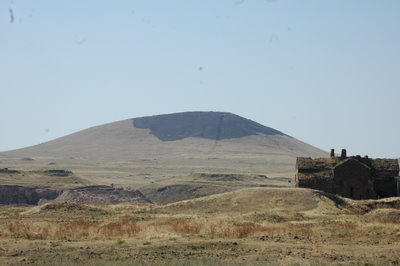


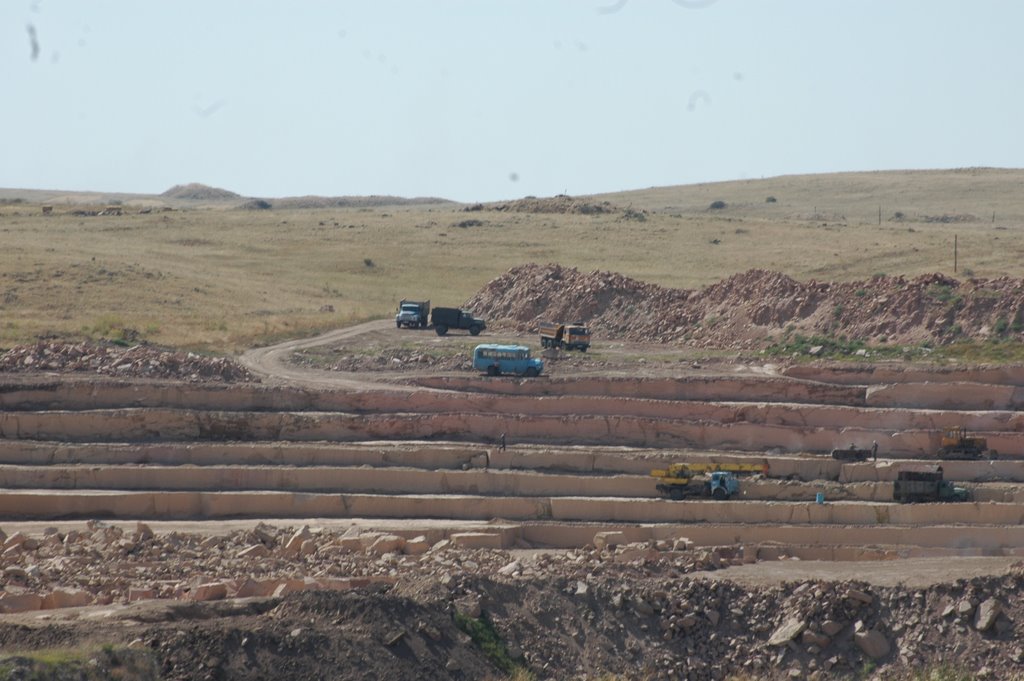
Ths was reported to be a (Russian?) military base and a stone quarry, both across the border, of course.

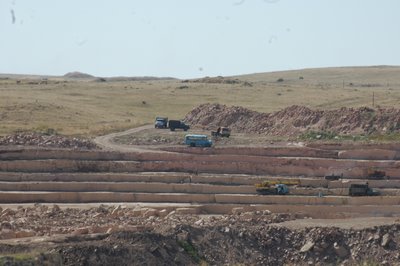


Actually, the years since the fall of the Soviet Union are the first in many centuries in which there is no direct Turkish-Russian border.